

Every year, World Whale Day reminds us of the beauty and importance of these magnificent creatures. Celebrated on the third Sunday of February, this day raises awareness about the threats whales face, from ocean pollution to climate change. But beyond recognition, what can you do to protect whales personally?
If you’re wondering how to contribute, we’ve compiled meaningful ways you can help save whales, whether by making small lifestyle changes, supporting conservation efforts, or advocating for policy change. Let’s dive in!
What Is World Whale Day?
This day was established in 1980 in Maui, Hawaii, to celebrate humpback whales and raise awareness about marine conservation. It has since grown into a global movement, highlighting the importance of protecting all whale species from the numerous threats they face.
Why Are Whales Important?
- Ecosystem Engineers – Whales help maintain the marine ecosystem by distributing nutrients through their migrations and waste. Learn more.
- Carbon Sequestration – Whales play a role in climate regulation, with each whale absorbing 33 tons of CO₂ throughout its lifetime. Read about whale carbon sequestration.
- Tourism and Economy – Whale-watching contributes $2 billion annually to the global economy. See the impact.
Now that we understand their importance, let’s explore ways you can personally help protect whales.
20 Ways to Protect Whales Personally
1. Reduce Plastic Waste
- Over 100,000 marine animals, including whales, die from plastic pollution yearly.
- Reduce single-use plastics by using reusable bags, bottles, and containers. Find plastic-free alternatives.
2. Avoid Chemical-Laden Products
- Chemicals from personal care and cleaning products often run off into oceans, harming marine life. Many household cleaning products contain toxic chemicals that enter waterways and harm marine life. Opt for eco-friendly, biodegradable cleaning products to reduce ocean contamination.
- Choose eco-friendly, biodegradable products. See safe alternatives.
3. Eat Sustainable Seafood
- Overfishing depletes whale food sources and disrupts ecosystems.
- Choose MSC-certified sustainable seafood or opt for plant-based alternatives. Find certified seafood.
4. Reduce Ocean Noise Pollution

- Ship traffic and industrial activities disrupt whale communication. Whales rely on sound to communicate, navigate, and hunt. Noise pollution from ships and industrial activity disrupts their behaviour.
- Support policies that regulate ocean noise. Learn more.
5. Say No to Captive Whale Attractions
- Avoid marine parks that exploit whales for entertainment. Whales suffer in captivity due to stress and inadequate space. Avoid visiting marine parks that keep whales in confinement and support sanctuaries that rehabilitate and protect them.
- Support sanctuaries and ethical wildlife tourism. See why captivity is harmful.
6. Participate in Beach Cleanups
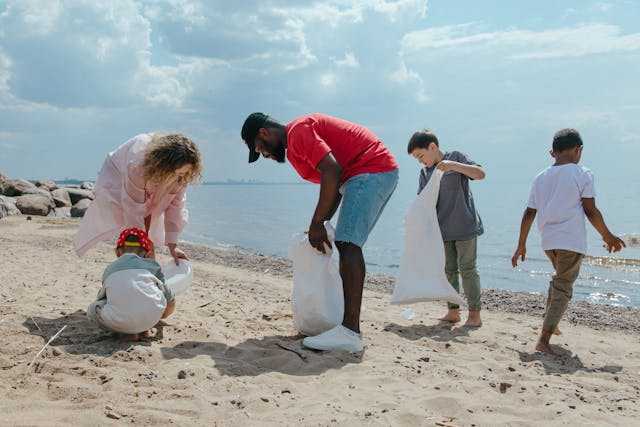
- Join or organize beach cleanups to remove plastic and other waste from coastal areas. This prevents debris from entering the ocean and harming marine animals, including whales. Coastal pollution threatens whale habitats. Join a local or global beach cleanup initiative. Find out how to volunteer.
7. Support Whale Conservation Organizations
- Donate to or volunteer with groups like the International Whaling Commission (IWC) and Sea Shepherd. See how you can help.
8. Educate Yourself and Others
- Read about whale conservation and share knowledge with friends and family. Start here.
9. Reduce Your Carbon Footprint
- Climate change affects whale migration and food sources. Use public transport, bike, or switch to renewable energy. Calculate your carbon footprint.
10. Use Reef-Safe Sunscreen

- Many sunscreens contain chemicals harmful to marine life. Choose reef-safe sunscreens. Find safe brands.
11. Celebrate by Advocating for Stronger Marine Protection
- Sign petitions and contact lawmakers to support whale conservation laws. Join advocacy efforts.
12. Avoid Products Made from Whales
- Some cosmetics, supplements, and oils still contain whale-derived ingredients. Choose cruelty-free alternatives. Check product labels.
13. Reduce Shipping Demand
- Large cargo ships pose collision threats to whales. Buy local products to reduce global shipping traffic. Learn about ship strikes.
14. Adopt a Whale on a Whale Day
- Many organizations allow you to adopt a whale, funding research and conservation efforts. Programs like WWF’s Adopt a Whale provide updates on your whale and help protect its habitat. Symbolically adopt a whale to fund conservation efforts. Find adoption programs.
15. Boycott Whale-Hunting Nations
- Some countries still engage in commercial whaling. Avoid tourism and products from these nations. See which countries still hunt whales.
16. Be Mindful When Whale-Watching
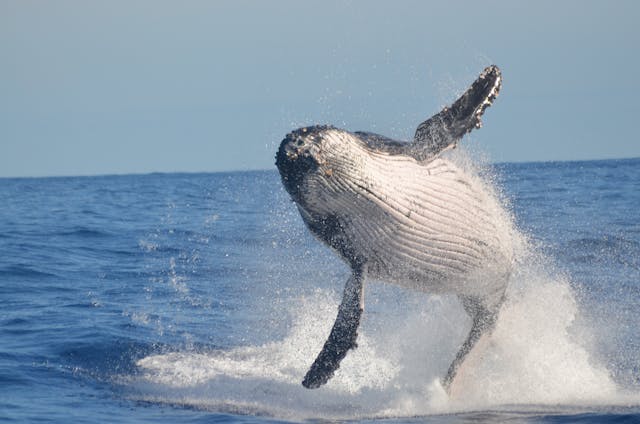
- Choose ethical operators that follow guidelines for whale safety. Find responsible tours.
17. Reduce Fertilizer Use
- Runoff from agricultural chemicals leads to ocean dead zones, harming whale food sources. Use organic fertilizers. Learn about ocean dead zones.
18. Encourage Businesses to Go Green
- Support eco-conscious brands that prioritize sustainable packaging and ethical sourcing. Write to companies urging them to reduce plastic packaging, adopt sustainable fishing practices, and use eco-friendly materials to lessen their impact on ocean life. See ethical companies.
19. Support Marine Protected Areas (MPAs)
- MPAs provide safe habitats for whales. Advocate for expanding these conservation zones. See current MPAs.
20. Report Stranded or Injured Whales

- If you are in a coastal area or on a tour and see a stranded whale, report it to local marine rescue groups. Find rescue contacts.
Conclusion and Happy World Whale Day from Us!
Protecting whales isn’t just about grand efforts—small, everyday actions make a difference. Whether you reduce plastic waste, support ethical tourism, or advocate for stronger policies, you have the power to help whales thrive.
On this beautiful day, commit to one (or more!) of these ways to protect whales personally and make a lasting impact on the future of our oceans.
Want to stay informed? Follow organizations like WWF’s whale conservation program and Ocean Conservancy for the latest updates and ways to get involved.
Subscribe to our Newsletter :)

