
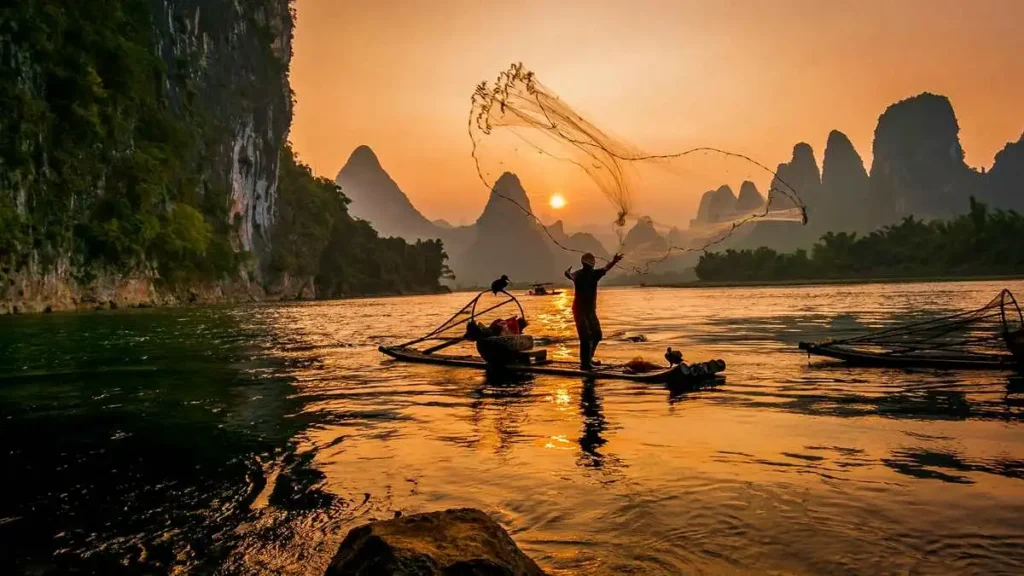
A vast underwater world teeming with life – vibrant coral reefs, majestic whales, playful dolphins, and schools of colorful fish. This isn’t just a scene from a nature documentary; it’s the reality of our oceans, a vital part of our planet’s life support system. Yet, this underwater paradise faces a significant threat: illegal fishing.
Illegal, unreported, and unregulated (IUU) fishing isn’t just a minor infraction; it’s a global crisis plundering our oceans and jeopardizing marine ecosystems. This blog dives into the murky waters of this issue, exploring the consequences, ongoing efforts to combat it, and how you can be a champion for ocean conservation.
The Scope of the Problem:
IUU fishing encompasses various activities, from using banned gear to fishing in protected areas to underreporting catches. Estimates suggest IUU fishing accounts for up to 20% of global fish catches, causing billions of dollars in economic losses and threatening the sustainability of fish populations. The consequences are far-reaching:
- Depleted Fish Stocks: Unsustainable fishing practices deplete vital fish populations, pushing some species to the brink of extinction and disrupting the delicate balance of marine ecosystems.
- Habitat Destruction: Destructive fishing methods like bottom trawling damage coral reefs, seamounts, and other critical habitats, impacting countless marine creatures and reducing their resilience.
- Bycatch Woes: IUU fishing often results in high levels of bycatch, unintentionally capturing and killing endangered species like sea turtles and dolphins.
- Undermined Livelihoods: Illegal fishing harms legitimate fishers who follow regulations, while also impacting coastal communities reliant on healthy oceans for their livelihoods.
Fighting Back: Sentinels of the Seas:
Fortunately, several organizations and initiatives are tackling this challenge head-on:
- International Organizations: The Food and Agriculture Organization (FAO) works with countries to implement international legal frameworks and combat IUU fishing.
- Regional Fisheries Management Organizations (RFMOs): These organizations manage fisheries in specific regions, setting quotas, monitoring fishing activities, and deterring illegal practices.
- Non-Governmental Organizations (NGOs): Organizations like Oceana and Sea Shepherd investigate illegal fishing, advocate for policy changes, and raise public awareness.
- Technology as a Weapon: Advanced technologies like satellite monitoring, vessel tracking systems, and DNA analysis are increasingly used to detect and deter illegal fishing activities.
Protecting Our Future: What You Can Do:
While the fight against IUU fishing requires large-scale action, individuals can also contribute:
- Choose Sustainable Seafood: Look for certifications like the Marine Stewardship Council (MSC) or the Aquaculture Stewardship Council (ASC) when buying seafood.
- Support Organizations: Donate to or volunteer with organizations working to protect our oceans and combat IUU fishing.
- Spread Awareness: Share information about IUU fishing with your friends and family, raising awareness about this critical issue.
- Reduce Your Seafood Consumption: Opting for plant-based protein options occasionally can help reduce the overall demand for fish, easing pressure on ocean ecosystems.
- Demand Action: Contact your elected officials and urge them to support policies that combat IUU fishing and promote sustainable fisheries management.
Beyond the Horizon: A Sustainable Future for Our Oceans:
The fight against illegal fishing is a complex challenge, but it’s not insurmountable. By working together, supporting organizations, making informed choices, and demanding action, we can chart a course towards a future where our oceans are thriving, and the bounty of the seas benefits both people and the planet. Remember, every action, however small, contributes to a collective wave of change. Let’s rise to the challenge and defend our oceans, ensuring their vibrant ecosystems and diverse inhabitants continue to grace our planet for generations to come.
Shining a Light on Transparency:
While significant progress has been made, there’s still a long road ahead in the fight against IUU fishing. One crucial aspect is improving transparency in the seafood supply chain. This involves measures like:
- Public Catch Reporting: Ensuring accurate and accessible data on fishing activities allows for better monitoring and identification of suspicious patterns.
- Traceability Systems: Tracking fish from catch to consumer through robust traceability systems helps identify and eliminate illegally caught seafood from reaching markets.
- Port State Measures: Strengthening regulations and inspections at ports to prevent illegal catches from being landed and traded.
Empowering Coastal Communities:
Engaging and empowering coastal communities is another vital piece of the puzzle. These communities often possess valuable knowledge about local fishing practices and can play a crucial role in:
- Community-Based Fisheries Management: Allowing communities to participate in managing their fisheries resources sustainably benefits both livelihoods and conservation efforts.
- Alternative Livelihoods: Supporting the development of alternative income opportunities for people currently reliant on unsustainable fishing practices can incentivize them to transition to more sustainable activities.
- Education and Awareness: Investing in education programs that highlight the dangers of IUU fishing and promote sustainable fishing practices empowers communities to become stewards of their ocean resources.
Investing in Innovation:
Technology holds immense potential for safeguarding our oceans. Exploring and utilizing innovations like:
- Artificial Intelligence (AI): AI-powered algorithms can analyze vast datasets to detect suspicious fishing activity and identify potential IUU fishing hotspots.
- Blockchain Technology: This secure and transparent system can track fish from catch to consumer, enhancing traceability and deterring illegal activity.
- Remote Sensing: Satellite imagery and other remote sensing technologies can monitor fishing activities in real time, assisting in enforcement efforts.
A Collective Responsibility:
Protecting our oceans is not just a distant concern; it’s a matter of collective responsibility. By understanding the threats posed by IUU fishing, supporting conservation efforts, and making informed choices, we can all contribute to a healthier future for our planet’s blue heart. Remember, every individual action, whether choosing sustainable seafood or advocating for stricter regulations, contributes to a powerful wave of change. Let’s join forces to ensure our oceans remain teeming with life for generations to come and write a story of ocean stewardship, not plunder.
Together, we can defend our oceans and create a wave of change for a sustainable future.
Further Resources:
- The Global Ghost Gear Initiative
- World Wildlife Fund (WWF)
- The Ocean Conservancy
- UN Sustainable Development Goal 14: Life Below Water
- The Pew Charitable Trusts: Ending Illegal Fishing
Remember, the power to protect our oceans lies within each of us. Let’s use our voices, actions, and collective power to safeguard these vital ecosystems for the benefit of all.
Subscribe to our Newsletter :)

