

Wildfires, often referred to as nature’s fury, have become an alarming global phenomenon. But what are the real causes of wildfires? These catastrophic events destroy ecosystems, displace wildlife, and threaten human lives. From natural triggers to human activities, understanding these causes is essential for prevention and mitigation.
What Are Wildfires?
Wildfires are uncontrolled fires that rapidly spread across vegetation, forests, grasslands, and even urban areas. These fires require three primary components, known as the “fire triangle”: fuel, oxygen, and a heat source. While some wildfires occur naturally, others are the direct result of human actions.
According to the National Interagency Fire Center (NIFC), human activities account for nearly 85% of wildfires in the United States. Source
Natural Causes of Wildfires
While human activities dominate wildfire causes, nature also plays a significant role. Here are the primary natural triggers:
1. Lightning
- Dry Lightning: Occurs without rainfall, sparking dry vegetation.
- Example: Lightning caused 7% of wildfires in California in 2022.
2. Volcanic Eruptions
- Lava flows and hot ash can ignite vegetation, leading to fires.
- Example: The 2018 eruption of Hawaii’s Kīlauea volcano triggered several fires. Details
3. Spontaneous Combustion
- Organic materials like hay or peat can ignite under the right conditions of heat and moisture.
- Example: Peat fires in Indonesia have been linked to spontaneous combustion. You can explore it from the Global Peatland Initiative
4. Climate Change
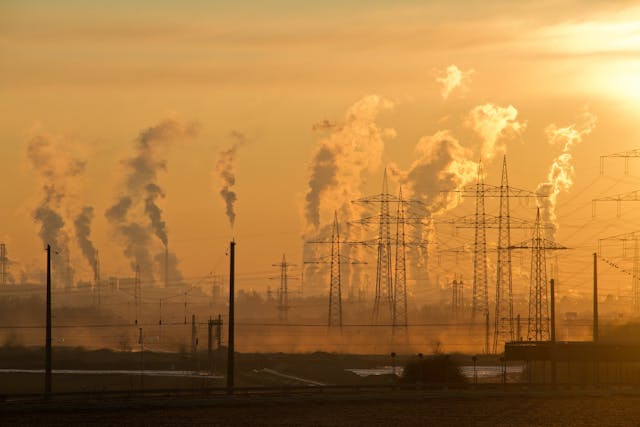
- Rising temperatures, prolonged droughts, and changing weather patterns increase wildfire risks.
- Example: The Arctic Circle experienced unprecedented wildfires in 2020 due to warming.
Human-Induced Causes of Wildfires
Human actions, intentional or accidental, are the leading causes of wildfires globally. Let’s explore these in detail:
1. Agricultural Practices
- Slash-and-Burn Farming: Clearing land for agriculture by burning vegetation.
- Example: Brazil’s Amazon rainforest frequently suffers from fires linked to farming.
2. Campfires and Outdoor Cooking
- Unattended or poorly extinguished campfires can spark fires.
- Example: In 2021, campfires caused over 1,500 wildfires in the U.S. Learn more
3. Cigarette Butts
- Improperly discarded cigarettes can ignite dry grass and leaves.
- Example: Cigarette-related fires account for 2% of wildfires globally.
4. Power Lines and Electrical Equipment
- Faulty power lines and equipment malfunctions have triggered catastrophic fires.
- Example: California’s deadly Camp Fire in 2018 was caused by PG&E’s power lines.
5. Arson
- Intentional setting of fires for malicious purposes.
- Example: Arson was responsible for 20% of Australian wildfires in 2019.
6. Industrial Accidents
- Explosions or equipment failures in industrial settings can ignite fires.
- Example: Oil refineries and chemical plants are often sources of such incidents.
7. Fireworks

- Celebratory fireworks can accidentally set vegetation ablaze.
- Example: Fireworks caused 19,500 fires in the U.S. during Independence Day celebrations in 2020.
8. Land Clearing
- Large-scale deforestation often involves burning vegetation, leading to uncontrolled fires.
- Example: Indonesia’s palm oil plantations are notorious for such practices.
9. Railroads
- Sparks from train wheels or malfunctioning engines can ignite nearby vegetation.
- Example: Wildfires in the Pacific Northwest have been linked to railroads.
Environmental Factors Behind Wildfires
Beyond direct causes, several environmental factors exacerbate wildfire risks:
1. Droughts
- Prolonged dry periods create highly flammable vegetation.
- Example: The severe drought in California contributed to the 2020 wildfire season.
2. High Winds
- Winds spread fires rapidly and make them harder to control.
- Example: The Santa Ana winds fueled multiple wildfires in Southern California.
3. Heatwaves
- Extreme heat dries out vegetation, increasing fire risks.
- Example: Europe’s 2022 heatwave led to thousands of wildfires.
4. Low Humidity
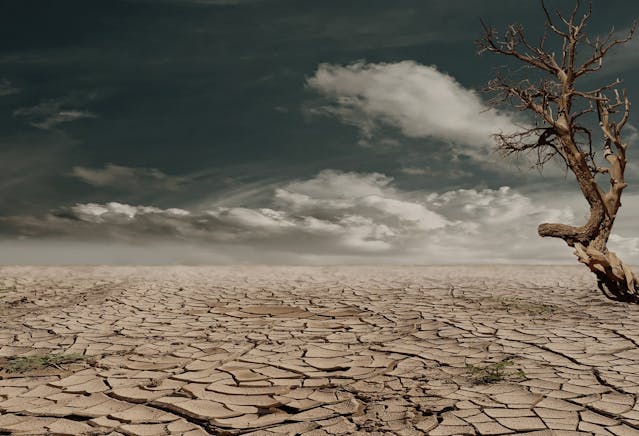
- Dry air prevents moisture retention in plants, making them more flammable.
- Example: Wildfires in Australia are exacerbated by low humidity levels.
Examples of Wildfires and Their Causes
1. California’s Camp Fire (2018)
- Cause: Faulty power lines.
- Impact: Over 85 fatalities and $16 billion in damages. Details
2. Australia’s Black Summer (2019-2020)
- Cause: Lightning strikes and arson.
- Impact: 18 million hectares burned, killing billions of animals. Learn more
3. Canada’s Fort McMurray Fire (2016)
- Cause: Human activity.
- Impact: $9 billion in damages and mass evacuations. Read more
4. Greece’s Wildfires (2021)
- Cause: Extreme heat and arson.
- Impact: Thousands of hectares destroyed. Explore
The Role of Climate Change in Wildfires
Climate change significantly increases wildfire frequency and intensity by:
- Raising global temperatures.
- Extending drought periods.
- Increasing the frequency of lightning strikes.
The IPCC’s 2021 report warns that without significant action, wildfire risks will escalate globally.
Preventing Wildfires: What Can Be Done?
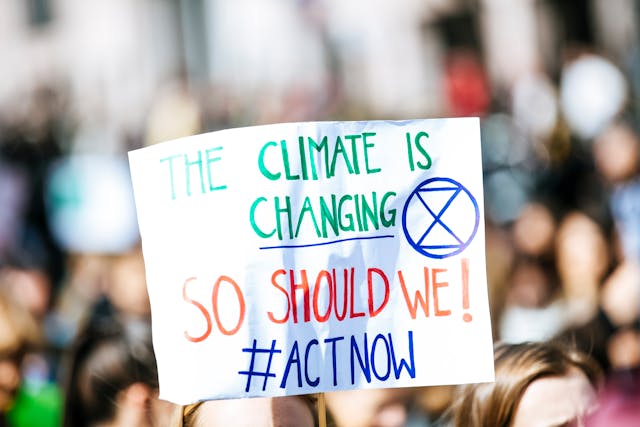
1. Community Awareness
- Educate the public about fire safety and prevention.
2. Improved Infrastructure
- Regular maintenance of power lines and industrial equipment.
3. Firebreaks
- Strategically placed barriers to stop fire spread.
4. Reforestation
- Restoring burnt areas with fire-resistant plant species.
5. Policy and Legislation
- Strict laws against arson and unregulated land clearing.
Conclusion
Understanding the causes of wildfires is crucial for tackling this global crisis. From natural events like lightning to human-induced activities such as deforestation and industrial accidents, the factors are diverse and complex. By addressing these causes and promoting preventive measures, we can reduce wildfire risks and protect our planet.
For further information, explore resources from organizations like the World Wildlife Fund (WWF), National Geographic, and the United Nations Environment Programme (UNEP). You can also subscribe to our newsletter to keep up with this information. Visit the Green Struggles by us. Together, we can create a safer, more sustainable future.
Subscribe to our Newsletter :)

