
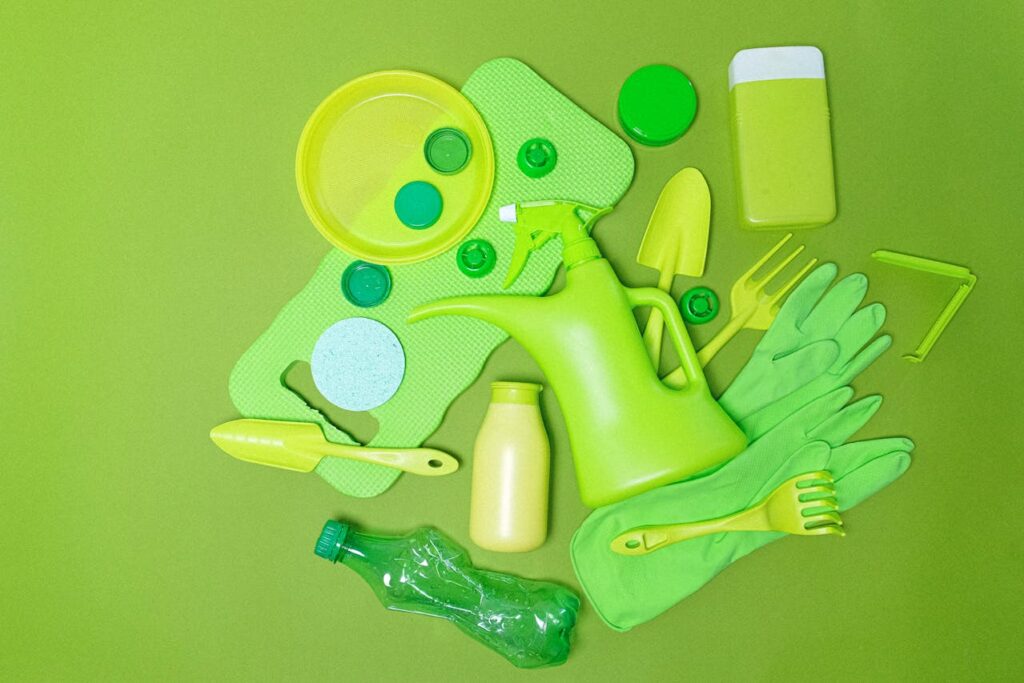
Eco-friendly plastics are changing the game of sustainability and durability? Let’s have a look!
In the modern world, plastic is everywhere. But while plastic has revolutionized many industries, its environmental impact has become increasingly concerning. “Traditional plastic” made from petroleum-based resources, is a major contributor to pollution, especially in oceans and landfills.
This is where “sustainable plastics” come in, offering a sustainable alternative that can significantly reduce the environmental footprint of our everyday products.
In this blog, we’ll explore the types of eco-friendly plastics, the importance of sustainable plastics, and highlight a comprehensive list of eco-friendly plastics that are changing the way we think about materials. Whether you’re a manufacturer, consumer, or someone passionate about environmental issues, understanding green plastics is essential for making more sustainable choices.
What Are Eco-Friendly Plastics?
Eco-friendly plastics, also known as sustainable plastics or green plastics, are materials that are designed to ‘minimise environmental harm’. They can be biodegradable, made from renewable resources, or produced using energy-efficient processes.
Unlike conventional plastics, eco-friendly plastics break down more easily in the environment and reduce dependence on fossil fuels.
Types of Eco-Friendly Plastics
Eco-friendly plastics can be categorised into several types based on their source, composition, and end-of-life disposal:
- Biodegradable Plastics: Break down naturally with the help of microorganisms, reducing landfill waste. The biodegradability of these plastics makes them a sustainable choice.
- Recyclable Plastics: Designed to be processed and reused in new products, minimizing waste production. Recycling plays an important role in sustainable plastic waste management.
- Compostable Plastics: Decompose into organic matter when placed in industrial or home composting conditions. Check out more about Compostable Plastic
- Bio-Based Plastics: Derived from renewable sources like corn starch, sugarcane, or algae instead of fossil fuels. Bio-Based Plastics Research has got a lot of positive results.

A List of Eco-Friendly Plastics
There are various eco-friendly plastics, each with unique properties and applications. Let’s dive into the most popular eco-friendly plastics that are transforming industries around the world.
1. Polylactic Acid (PLA)
Polylactic Acid (PLA) is one of the most well-known bioplastics made from fermented plant starch, typically derived from corn or sugarcane. PLA is biodegradable and compostable, making it a sustainable alternative to petroleum-based plastics.
Uses
- Food packaging (containers, wrappers, etc.)
- Disposable cutlery
- 3D printing materials
- Medical devices like sutures and implants
Benefits
- Made from renewable resources
- Compostable and biodegradable
- Reduced carbon footprint during production
2. Polyhydroxyalkanoates (PHA)
PHA is a biodegradable plastic produced by microorganisms, often from plant sugars. Unlike PLA, which requires industrial composting to break down, PHA is known for its ability to decompose in natural environments, including marine environments.
Uses
- Biodegradable packaging
- Medical applications
- Agricultural films
Benefits
- 100% biodegradable in natural environments
- Produced from renewable resources
- Non-toxic and safe for marine life
3. Polybutylene Succinate (PBS)
PBS is another biodegradable plastic that’s derived from plant-based sources. It has similar properties to petroleum-based plastics but is much more environmentally friendly. Read more about PBS Plastic.
Uses
- Packaging
- Agricultural films
- Disposable products like cups and plates
Benefits
- Biodegradable and compostable
- Strong and flexible like conventional plastic
- Produced from renewable sources
4. Starch-Based Plastics

Starch-based plastics are made from the starch of corn, potatoes, and other plant-based sources. These plastics are biodegradable and can be composted after use.
Uses
- Packaging materials
- Disposable cutlery
- Agricultural products
Benefits
- Completely biodegradable
- Made from renewable plant sources
- Low production cost and minimal energy usage
5. Hemp-Based Bioplastics
Hemp-based plastics are made from the fibres of the hemp plant. Known for their durability and strength, these plastics are increasingly used in the automotive and construction industries.
Uses
- Automotive parts
- Biodegradable packaging
- Textiles
Benefits
- Biodegradable
- Stronger and more durable than other bioplastics
- Hemp is a fast-growing, low-impact crop
6. Cellulose-Based Plastics
Cellulose-based plastics are derived from wood pulp and other plant materials. These plastics are biodegradable and are increasingly used for packaging applications.
Uses
- Packaging films
- Food wrappers
- Flexible packaging
Benefits
- Biodegradable and compostable
- Derived from renewable wood pulp
- Non-toxic and safe for food contact
7. Algae-Based Plastics
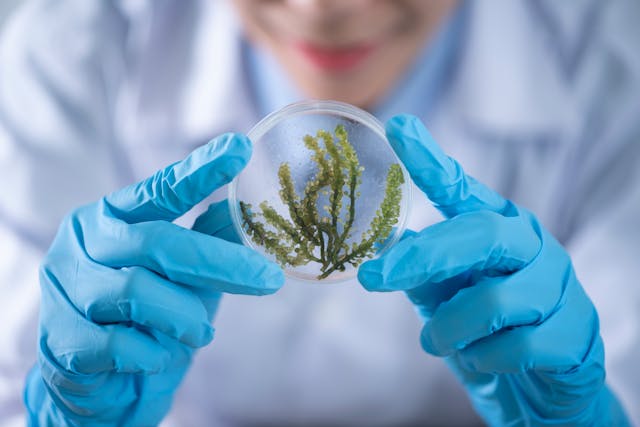
Algae-based plastics are made from algae biomass, providing a renewable and sustainable alternative to petroleum-based plastics. Algae can be grown quickly, requiring minimal land and water resources.
Uses
- Packaging
- Medical products
- Food containers
Benefits
- Biodegradable
- Can be produced from algae waste
- Reduced carbon footprint in production
The Durability of Eco-Friendly Plastics
One of the most significant advantages of eco-friendly plastics is their ability to maintain the durability of conventional plastics while offering environmental benefits. Many green plastics such as PLA, PHA, and PBS provide strong, durable alternatives that can be used in a wide range of industries.
For example, hemp-based plastics are incredibly durable and can replace traditional plastics in automotive manufacturing. Similarly, PHA and PBS can be used in food packaging without compromising strength.
It’s important to note that while eco-friendly plastics are durable, their biodegradable properties ensure that they won’t linger in landfills or oceans for centuries like traditional plastics. Learn more about the durability of bioplastics.

Why Are Eco-Friendly Plastics Important?
The importance of eco-friendly plastics cannot be overstated. Here’s why:
- Reduction in Plastic Pollution: Traditional plastics take hundreds of years to decompose, causing environmental damage. Green plastics decompose much faster, reducing the amount of plastic waste in our ecosystems. Learn more about plastic pollution and its impact.
- Sustainable Production: Unlike conventional plastic, which is made from non-renewable petroleum, green plastics can be derived from renewable resources like plants, algae, and waste products.
- Biodegradability: Many eco-friendly plastics are biodegradable, meaning they break down naturally over time without leaving harmful residues. This prevents the buildup of microplastics in the environment.
- Lower Carbon Footprint: The production of eco-friendly plastics often results in lower greenhouse gas emissions, making them an essential part of the fight against climate change.
- Promoting a Circular Economy: Many green plastics are designed to be reused or recycled, aligning with the principles of a circular economy. Learn how the circular economy works.
Conclusion: A Step Towards a Greener Future
As plastic pollution continues to threaten the planet, the adoption of eco-friendly plastics is more important than ever. By switching to sustainable plastics like PLA, PHA, and hemp-based bioplastics, we can significantly reduce environmental harm and promote a circular economy. The future of plastics is green, and with ongoing innovation, we can expect even more exciting solutions to emerge. In this field, the work done by the organisations of European Bioplastics, the Australasian Bioplastics Association, the Biodegradable Plastics Association and Sustainable Brands is really awesome. Keep up with Uplift the Planet to learn more about sustainability and equality!
Subscribe to our Newsletter :)


It’s amazing to see how eco-friendly plastics are stepping up to address such a massive global issue. Traditional plastics gave us convenience, but at a steep environmental cost. Now, with sustainable alternatives—like bioplastics or recycled materials—we’re starting to shift the narrative from *wasteful* to *thoughtful*. It’s not a perfect system yet, but these innovations show that change is possible when we combine science, responsibility, and a little creativity.
Hi uplifttheplanet.com owner, You always provide in-depth analysis and understanding.