

Gender disparity remains a significant challenge worldwide, affecting various aspects of society, including education, employment, healthcare, and political representation. But what is the meaning of gender disparity, and why does it persist despite global efforts to achieve equality?
In this blog, we will explore the concept of gender disparity, its causes, and its far-reaching effects. We will also examine gender disparity in education and discuss practical ways to bridge the gap.
What is the Meaning of Gender Disparity?
Gender disparity refers to “the unequal treatment or perceptions of individuals based on their gender”. This imbalance often favours one gender over another, leading to disparities in opportunities, rights, and status.
Gender disparity is particularly evident in areas such as education, wages, leadership roles, and legal rights. Despite progress in gender equality, disparities continue to exist due to cultural norms, socio-economic conditions, and institutional biases.
What is the Concept of Gender Disparity?

The concept of gender disparity revolves around the systematic disadvantages one gender faces compared to another. It extends beyond mere differences and reflects deep-rooted societal norms that perpetuate inequality. Some key dimensions of gender disparity include:
- Economic Disparity – Women earn about 20% less than men on average for the same job roles.
- Educational Disparity – In some regions, girls are 2.5 times more likely to be out of school than boys.
- Healthcare Disparity – Women often have less access to healthcare resources, leading to higher maternal mortality rates.
- Political Representation – Women hold only 26% of parliamentary seats worldwide.
These inequalities stem from historical biases and cultural traditions that reinforce gender roles and limit opportunities for marginalized groups. The history of gender disparity in the workplace is very dark.
Why Gender Disparity Exists?

Gender inequality is not accidental; it is deeply rooted in historical, cultural, and economic factors. Here are some primary causes:
1. Societal Norms and Traditions
Many cultures uphold patriarchal systems that prioritize men’s roles in decision-making and leadership, restricting women’s autonomy and rights.
2. Unequal Access to Education
In developing nations, girls often have limited access to education due to financial constraints, early marriages, and gender-based violence.
3. Workplace Discrimination
Women and gender minorities face biases in hiring, promotions, and wages, leading to professional stagnation and economic dependence.
4. Political and Legal Barriers
Laws and policies often fail to protect women’s rights adequately, preventing them from participating equally in politics and leadership. Explore policies that promote gender equality.
What are the Effects of Gender Disparity?
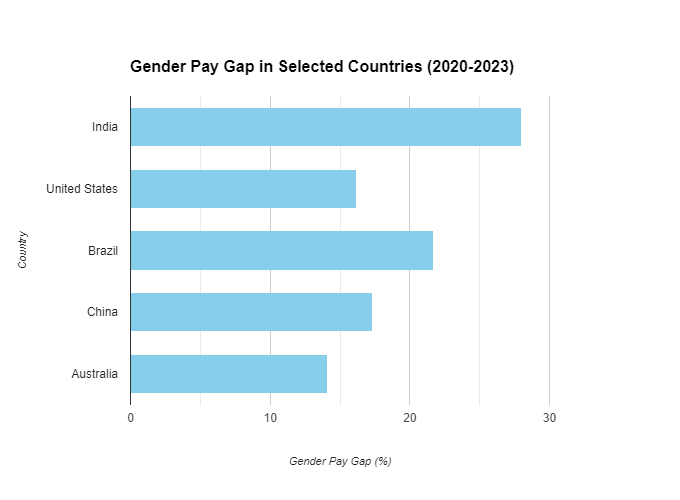
Gender disparity has widespread implications that affect individuals, families, and societies. Some major consequences include:
1. Economic Loss
Gender inequality in the workforce leads to an estimated $12 trillion loss in global GDP annually.
2. Increased Poverty Rates
Women are more likely to be financially dependent, making them vulnerable to poverty and economic hardships.
3. Poor Health Outcomes
In regions where gender inequality is high, women experience higher rates of malnutrition, maternal mortality, and limited reproductive rights.
4. Social and Political Instability
A lack of gender balance in leadership roles often results in policies that overlook women’s rights and issues, further exacerbating societal inequalities. Find out how gender equality benefits economies and societies.
What is Gender Disparity in Education?
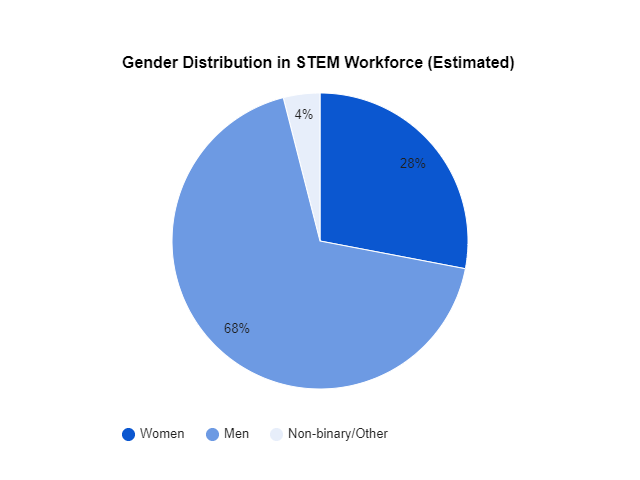
Education is a fundamental human right, yet, according to the UN, 130 million girls worldwide are deprived of it due to gender inequality. The most common challenges include:
1. Early Marriages and Pregnancy
In many countries, girls are forced to leave school due to early marriage and pregnancy.
2. Gender-Based Violence
School environments can be unsafe for girls due to harassment and discrimination, leading to high dropout rates.
3. Lack of Infrastructure
Limited access to sanitation facilities in schools discourages girls from attending, especially during menstruation.
4. Bias in Curriculum
Gender stereotypes in educational materials reinforce traditional roles and limit career aspirations for girls. Girls are stereotypically not considered “Brilliant enough” for the science, technology, engineering and math (STEM) Fields. Steminists are working to empower women in STEM fields of education.
What are the Causes of Gender Disparity?
The root causes of gender disparity are complex and multifaceted. Here are some of the most prominent ones:
1. Historical Gender Roles
Traditional roles have long defined men as breadwinners and women as caregivers, creating systemic disadvantages.
2. Economic Constraints
Limited financial resources force many families to prioritize boys’ education over girls’ education.
3. Political Representation Gap
Low female representation in politics results in policies that do not prioritize gender equality.
4. Discriminatory Legal Systems
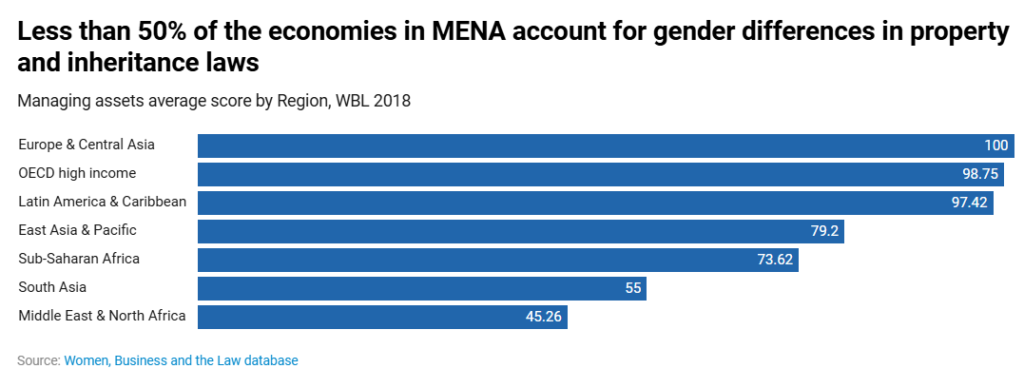
Some legal systems restrict women’s rights in property ownership, voting, and employment. 75 economies still do not give complete rights to manage assets to women.
How Can We Reduce Gender Disparity?
While gender inequality is deeply ingrained in society, proactive measures can help bridge the gap. Here are some solutions:
1. Promote Equal Education Opportunities
Governments and organizations must invest in programs that provide equal access to education for all genders.
2. Strengthen Legal Protections
Enforcing strict anti-discrimination laws ensures equal pay, opportunities, and rights. Women should know the legal rights and framework for equal pay.
3. Encourage Women in Leadership
Diversity in leadership roles leads to more inclusive and fair policies. Women in leadership inspire other women and girls to work hard and fight for their rights. Learn why you should support women in leadership.
4. Raise Awareness
Educational campaigns can challenge gender stereotypes and promote gender-inclusive values from an early age. Support initiatives that promote gender equality.
Final Thoughts: Striving for a Gender-Equal World
Understanding what gender disparity means is the first step toward creating a fair and inclusive society. While progress has been made, there is still a long way to go. Addressing the causes of gender disparity, promoting education, and enforcing equal rights laws can help create a more balanced and equitable world.
By actively working towards eliminating gender disparity, we pave the way for a society where everyone, regardless of gender, has equal opportunities to thrive.
Subscribe to our Newsletter :)


Heya this is kind of of off topic but I was wanting to know if blogs
use WYSIWYG editors or if you have to manually code with HTML.
I’m starting a blog soon but have no coding experience so I wanted to get advice from
someone with experience. Any help would be enormously appreciated!
This website is not coded manually with HTML.